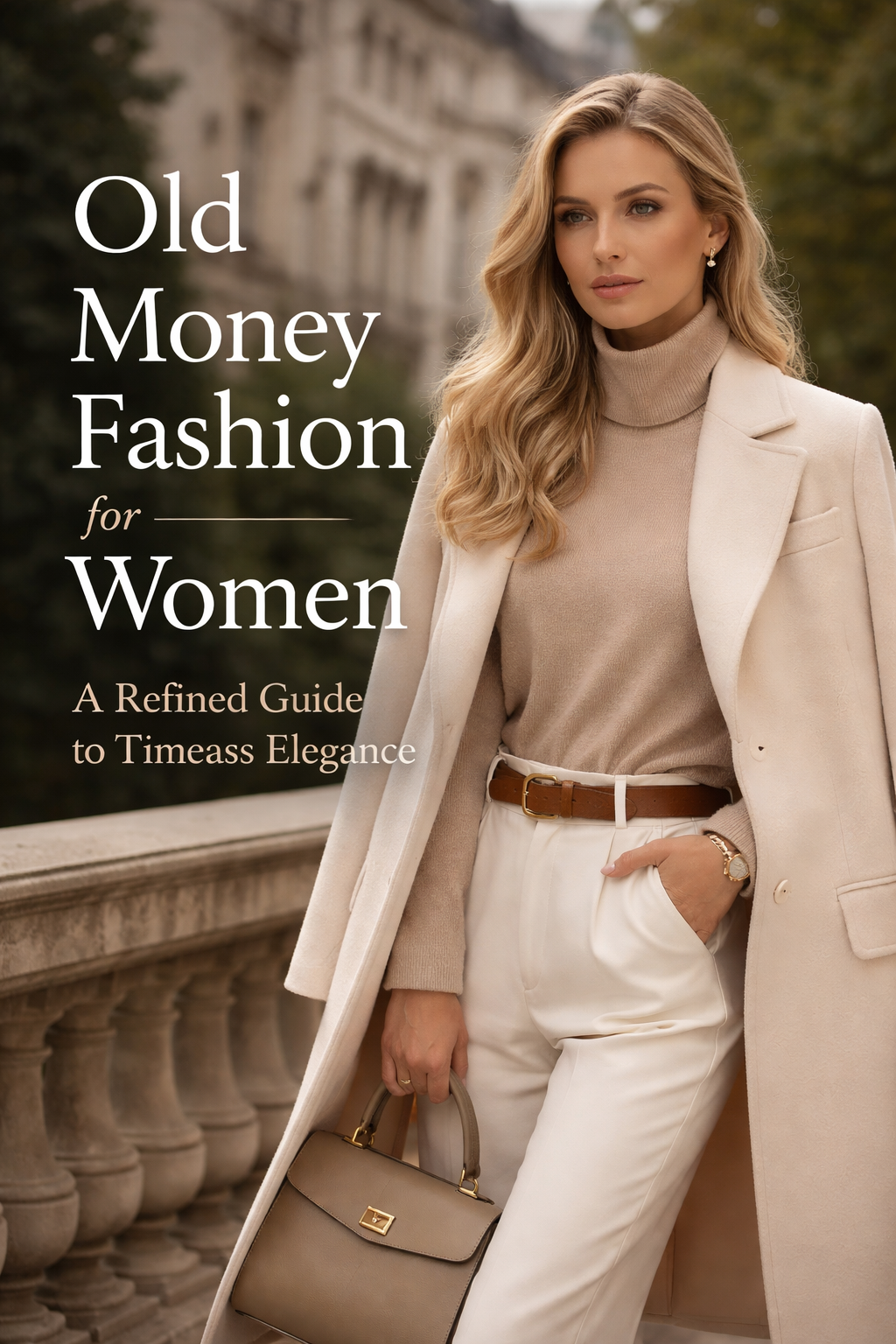
Old money outfits for men look simple at first. A pale shirt. Clean trousers. A navy jacket. Brown loafers. Yet the difference between refined and forgettable is usually found in the fit, fabric, and restraint.
You do not need an inherited estate or a wardrobe full of designer labels to dress well. You need a small group of clothes that work together, suit the occasion, and look better with time. This guide gives you 12 complete outfit formulas, from relaxed weekends to weddings, along with the rules that keep the old money aesthetic polished rather than theatrical.
What Makes an Outfit Look Old Money?
The modern old money look draws from several traditions. These include American Ivy style, British country clothing, European resort wear, and classic tailoring. The name is new, but many of the clothes are not.
The Museum at the Fashion Institute of Technology traces Ivy style to early twentieth-century American college campuses. Oxford shirts, chinos, Shetland sweaters, loafers, tweed jackets, and navy blazers later became a lasting global uniform. Esquire's history of American style also shows how ready-to-wear tailoring made many of these once-exclusive codes more widely available.
Social media has repackaged that history as an aesthetic. GQ's examination of the trend points to cable-knit sweaters, Oxford shirts, and navy blazers as some of its most familiar symbols. Still, copying those pieces is not enough. A convincing outfit has four qualities:
- It is appropriate. The clothes fit the weather, place, and occasion.
- It is restrained. No single piece fights for attention.
- It fits well. The shape is clean without looking tight.
- It feels lived in. The wearer looks comfortable, not costumed.
This is also where old money style differs slightly from quiet luxury. Quiet luxury often focuses on expensive minimalism. Old money style carries more visible references to prep, sport, travel, and tradition. It can include a striped Oxford shirt, a cricket sweater, a waxed jacket, or even a faded pair of chinos. The goal is not perfection. It is continuity.
Four Rules Behind the Best Old Money Outfits
1. Start with fit, not price
An inexpensive shirt that fits your neck and shoulders will look better than a luxury shirt that pulls across the chest. Trousers should sit cleanly at the waist. They should fall in a straight or gently tapered line. A blazer should follow the shoulder without dents, and its sleeves should end near the wrist bone.
Avoid extremes. Very skinny trousers make classic clothing feel dated. Very wide trousers can work, but they need enough structure and the correct length. In most cases, a straight or relaxed tailored fit is the safest choice.
2. Build a controlled color palette
Begin with navy, cream, white, pale blue, grey, camel, olive, and brown. These shades mix easily, which makes a small wardrobe feel much larger.
Use contrast with purpose. A white shirt and navy trousers look crisp. A cream polo and beige trousers look softer. Brown leather warms both combinations. If an outfit contains three or four neutral shades, repeat one color in a small detail such as the belt, watch strap, or socks.
3. Let texture replace logos
A refined outfit does not need a large badge or repeated monogram. Interest can come from an Oxford weave, brushed wool, suede, linen, cable knit, herringbone, or fine corduroy.
Natural materials are useful, but read the garment rather than buying by fiber name alone. A well-made blend may drape better and crease less than a poor-quality pure fabric. Check the weight, surface, seams, buttons, and how the material falls when worn.
4. Choose quiet footwear
Shoes set the level of formality. Penny loafers and suede loafers cover most smart-casual settings. Derbies and Oxfords suit formal rooms. Minimal leather sneakers work for travel and relaxed weekends. Keep the shape neat, the sole fairly slim, and the leather clean.
For a first pair, dark brown is often more flexible than black. It works with navy, grey, cream, olive, and tan. Black becomes more useful when your wardrobe is formal or built around charcoal and dark navy.
12 Old Money Outfit Ideas for Men
1. The relaxed weekend outfit
Wear: light blue Oxford shirt, stone chinos, dark brown penny loafers, and a simple leather watch.
This is the easiest place to begin. Roll the sleeves neatly once or twice, but keep the shirt tucked in if the hem is long. The trousers can have a slight break or no break at all. Add a navy crewneck sweater when the temperature falls.
The combination works because it is familiar and balanced. Nothing looks precious. Browse classic old money shirts in white, blue, cream, or restrained stripes if you are building this look from scratch.
2. The warm-weather lunch outfit
Wear: cream knit polo, tobacco or beige trousers, suede loafers, and tortoiseshell sunglasses.
A knit polo gives more texture than a standard sports polo while staying comfortable in warm weather. Leave the top button open. Choose trousers with a medium or higher rise so the polo and trousers meet cleanly at the waist.
Keep the palette warm but not flat. A cream top, mid-brown trousers, and dark brown shoes create enough contrast. If the day is very hot, switch to a breathable open-collar shirt and lighter trousers.
3. The summer evening outfit
Wear: white linen or linen-blend shirt, navy tailored trousers, brown loafers, and a woven belt.
This formula suits a seaside dinner, a holiday evening, or a summer date. The shirt can be worn with the collar open and sleeves rolled with care. Avoid an overly long untucked hem. If the shirt is designed to be tucked, tuck it.
Navy trousers give the loose linen shirt a sharper base. Choose a pair with a clean front or one gentle pleat. Our collection of tailored men's pants offers the right starting point for similar combinations.
4. The everyday smart-casual outfit
Wear: navy unstructured blazer, white Oxford shirt, mid-grey trousers, and brown loafers.
This is one of the most useful men's outfits because it moves between work, dinner, and events. An unstructured blazer feels easier than a full suit jacket. Grey trousers create separation without making the outfit busy.
Skip the tie for a relaxed room. Add a dark knitted tie if the setting becomes more formal. A white pocket square is optional. If you use one, fold it simply.
5. The business-casual office outfit
Wear: pale blue shirt, charcoal trousers, navy merino sweater, and dark brown Derbies.
Layering a fine sweater over a shirt creates a tidy office look without the stiffness of a suit. Let a small amount of shirt cuff show. Keep the collar inside the sweater unless its shape naturally sits outside.
The trousers should be darker than the sweater or clearly lighter. Similar shades that almost match can look accidental. On colder days, add a navy or camel wool coat.
6. The formal office outfit
Wear: navy or charcoal suit, white spread-collar shirt, dark grenadine tie, black or dark brown Oxfords, and a white pocket square.
Old money style does not mean avoiding formal clothing. It means keeping formal clothing calm. Choose a single-breasted, two-button suit with moderate lapels. Avoid shiny fabric, aggressive tapering, bright lining, and novelty accessories.
A sober suit becomes personal through fit and small choices. The knot, trouser length, polished shoes, and clean shirt collar matter more than a recognizable label.
7. The autumn city outfit
Wear: brown herringbone jacket, cream roll-neck or crewneck sweater, grey flannel trousers, and dark brown suede loafers or Derbies.
Autumn is ideal for this style because texture can do the work. Tweed, flannel, suede, and knitwear look richer together than smooth fabrics in the same colors.
Keep one part of the outfit plain. If the jacket has a visible herringbone pattern, the sweater and trousers should be quiet. For more layering options, choose from classic men's sweaters in cream, navy, grey, or brown.
8. The winter coat outfit
Wear: camel or charcoal overcoat, navy roll-neck, grey wool trousers, leather gloves, and dark boots.
A long coat gives winter clothing a clean vertical line. The hem should usually reach around the knee, while the shoulders must leave enough room for a sweater or jacket underneath.
Keep scarves simple. Solid charcoal, navy, camel, or a muted check will work. Match gloves to the family of your shoes, but do not worry about an exact color match.
9. The travel outfit
Wear: navy polo or Oxford shirt, lightweight beige trousers, fine-gauge cardigan, minimal leather sneakers, and a structured holdall.
Good travel clothing must survive sitting, walking, and changes in temperature. A cardigan is easier to remove than a pullover. Trousers with a little stretch can be practical, as long as they still hold a clean shape.
Avoid dressing like you are attending a board meeting at the airport. Comfort is part of looking composed. Clean sneakers, tidy trousers, and one thoughtful layer are enough.
10. The tennis or club-inspired outfit
Wear: white polo, cream chinos or tailored shorts, cable-knit sweater, white leather sneakers or brown loafers, and a canvas belt.
This outfit reflects the sporting side of old money style. It should feel active and fresh rather than formal. Wear the sweater normally or carry it for later. Tying it around the shoulders can work, but it often looks staged when every other part of the outfit is also highly styled.
If you choose shorts, keep them tailored and around mid-thigh to just above the knee. Avoid cargo pockets and oversized sports logos.
11. The understated date-night outfit
Wear: black or navy knit polo, charcoal trousers, polished loafers, and one simple watch.
Darker colors work well after sunset, but pure black from head to toe can feel severe. Navy with charcoal gives depth. A textured polo keeps the outfit relaxed, while tailored trousers make the intention clear.
Pay attention to grooming and scent. Clothing cannot rescue scuffed shoes, a wrinkled collar, or too much fragrance.
12. The wedding guest outfit
Wear: mid-grey or navy suit, pale blue or white shirt, muted tie, polished Oxfords, and a plain pocket square.
Let the dress code decide the details. For a daytime summer wedding, a lighter blue, tan, or breathable wool suit may work. For an evening ceremony, stay with navy or charcoal. Black tie means a tuxedo, not a dark business suit with a bow tie.
A wedding guest should look considered without competing with the couple. Avoid white dinner jackets unless the invitation and setting support them. Avoid loud checks, bright satin ties, and stacks of accessories.
Whatever the occasion, shoes should look cared for. A focused collection of men's loafers and classic shoes can cover relaxed, smart-casual, and dressier combinations.
How to Build a Small Old Money Wardrobe
Do not buy 12 separate outfits. Build one system. Start with pieces that can appear in at least three combinations.
- Two Oxford shirts: white and light blue
- Two polos: cream and navy
- Three trousers: beige, navy, and mid-grey
- Two sweaters: navy crewneck and cream cable knit
- One navy blazer
- One textured autumn jacket
- One dark suit
- One overcoat
- Two pairs of shoes: brown loafers and dark Oxfords or Derbies
- One restrained watch and one leather belt
That list is enough for dozens of outfits. Buy slowly. Wear each new item with what you already own before adding another. If a piece only works with one specific trouser or shoe, it may not belong in a compact wardrobe.
Shopping for old money clothing in Germany
The styling principles stay the same, but a local storefront can make sizing, language, and pricing easier. Readers in Germany can explore our dedicated old money clothing store in Germany, with polos, shirts, trousers, knitwear, loafers, and accessories selected for this look. Use the outfit formulas in this guide as a checklist, and buy combinations rather than isolated statement pieces.
Six Mistakes That Make the Look Feel Forced
Wearing every symbol at once
A cable-knit sweater, blazer, signet ring, loafers, silk scarf, and sunglasses may each work alone. Together, they can look like a costume. Use one or two recognizable elements, then keep the rest ordinary.
Choosing beige without contrast
Beige is useful, but five slightly different beige pieces can make an outfit look washed out. Add navy, white, olive, grey, or dark brown to give the eye a clear anchor.
Buying clothes that are too tight
Classic menswear needs ease. A shirt should not pull at the buttons. Trouser pockets should lie flat. A jacket should close without forming an X across the front.
Confusing expensive with tasteful
Price does not fix poor proportion or bad styling. Focus on fabric, construction, fit, and usefulness. Remove visible brand tags from jacket sleeves and avoid keeping temporary stitching closed.
Ignoring the setting
White linen trousers may look right at a coastal lunch and strange in a wet city commute. Tweed may feel elegant in autumn and unbearable in July. Context is part of style.
Keeping clothes pristine but uncared for
There is a difference between natural wear and neglect. Brush jackets, polish shoes, repair loose buttons, and treat stains early. Follow the care label. For wool garments, Woolmark's care guidance recommends folding knits, hanging woven garments on shaped hangers, and allowing wool time to rest between wears.
Frequently Asked Questions
What do old money men wear?
They are commonly associated with Oxford shirts, polo shirts, tailored trousers, chinos, knitwear, navy blazers, wool coats, loafers, and simple leather shoes. The broader principle is to choose appropriate, well-fitting clothes with little visible branding.
Can you dress in old money style on a budget?
Yes. Start with fit and versatility instead of labels. A white shirt, beige trousers, navy sweater, and brown loafers can create several outfits. Tailoring a modestly priced garment may improve its appearance more than spending the same amount on a logo.
What colors are best for old money outfits for men?
Navy, cream, white, pale blue, grey, camel, olive, and brown form a reliable base. Burgundy, forest green, and muted red can work as smaller accents. Use two or three main colors in one outfit.
Are jeans part of the old money aesthetic?
They can be. Choose a straight fit in a clean dark or medium wash, with no distressing or large branding. Pair jeans with an Oxford shirt, loafers, a crewneck sweater, or a relaxed blazer. Chinos and tailored trousers will still create a more traditional result.
Can sneakers work with old money style?
Yes, in casual settings. Choose low-profile leather or canvas sneakers in white, cream, navy, or brown. Keep them clean and avoid large technical soles. For business, dinner, or formal events, loafers and lace-up leather shoes are safer.
What is the difference between preppy and old money style?
The two overlap. Preppy style has stronger roots in American school, college, and sport clothing. It may use brighter colors, club stripes, and playful patterns. Modern old money style mixes those elements with British tailoring, country clothing, and European resort wear, usually in a quieter palette.
How should old money trousers fit?
They should sit securely at the waist without a tight belt. The seat and pockets should lie flat. The leg can be straight or gently tapered, with little or no break over the shoe. A medium or higher rise often looks more balanced with tucked shirts and knit polos.
Final Thought
The best old money outfits for men do not announce themselves. They look right for the place, fit the body, and make getting dressed easier. Begin with one useful formula, such as an Oxford shirt, tailored trousers, and loafers. Repeat it. Adjust the texture and layers with the season. Over time, the clothes will feel less like an aesthetic and more like your own style.